
说明需求与可用资源Describe needs and available resources
说明希望解决什么问题,以及已有的设备、服务或智能体能做什么。Describe the problem to solve and what the available devices, services or agents can do.
开发者提供软件服务,设备伙伴负责接入,使用方提出需求并反馈结果。INT AIOS 将这些设备、服务和智能体用于同一项任务,记录结果与各方贡献,供后续改进和合作参考。Developers provide software services, device partners handle integration, and users bring requirements and feedback. INT AIOS coordinates these devices, services and agents within a task, recording results and contributions to inform improvements and further collaboration.
目前主要通过具体项目验证设备、服务和智能体之间的协作。更完整的能力网络与结算机制仍需实际运行结果支持。Current projects focus on testing coordination among devices, services and agents. More complete capability networks and settlement mechanisms still need evidence from actual use.
职责与机制示意Roles and mechanics
明确目标、权限和完成标准Define goals, permissions and completion criteria
开发能力,验证效果Build capabilities and test their results
执行任务,调用所需能力Run tasks and call the capabilities needed
提供设备功能,执行现场动作Provide device functions and act on site
给出需求与现场反馈Bring needs and field feedback
提供资源与专业支持Provide resources and expertise
目标是把反馈用于后续任务;是否带来改进,仍需在真实任务中验证。The aim is to use feedback in later tasks. Whether it brings improvement still needs testing in real tasks.
说明希望解决什么问题,以及已有的设备、服务或智能体能做什么。Describe the problem to solve and what the available devices, services or agents can do.
根据实际条件选择适合的设备、服务或智能体,在授权范围内执行。Choose suitable devices, services or agents for the actual conditions, and execute within granted permissions.
保留执行结果、失败原因、贡献来源与人的纠正,供后续核查。Keep outcomes, failure reasons, contribution provenance and human corrections for later review.
用反馈评估新版本,检查是否减少了同类错误、能否用于后续任务。Use feedback to evaluate new versions, checking whether they reduce repeated errors and can be used in later tasks.
把这次反馈,用于下一次任务。Use this feedback in the next task.
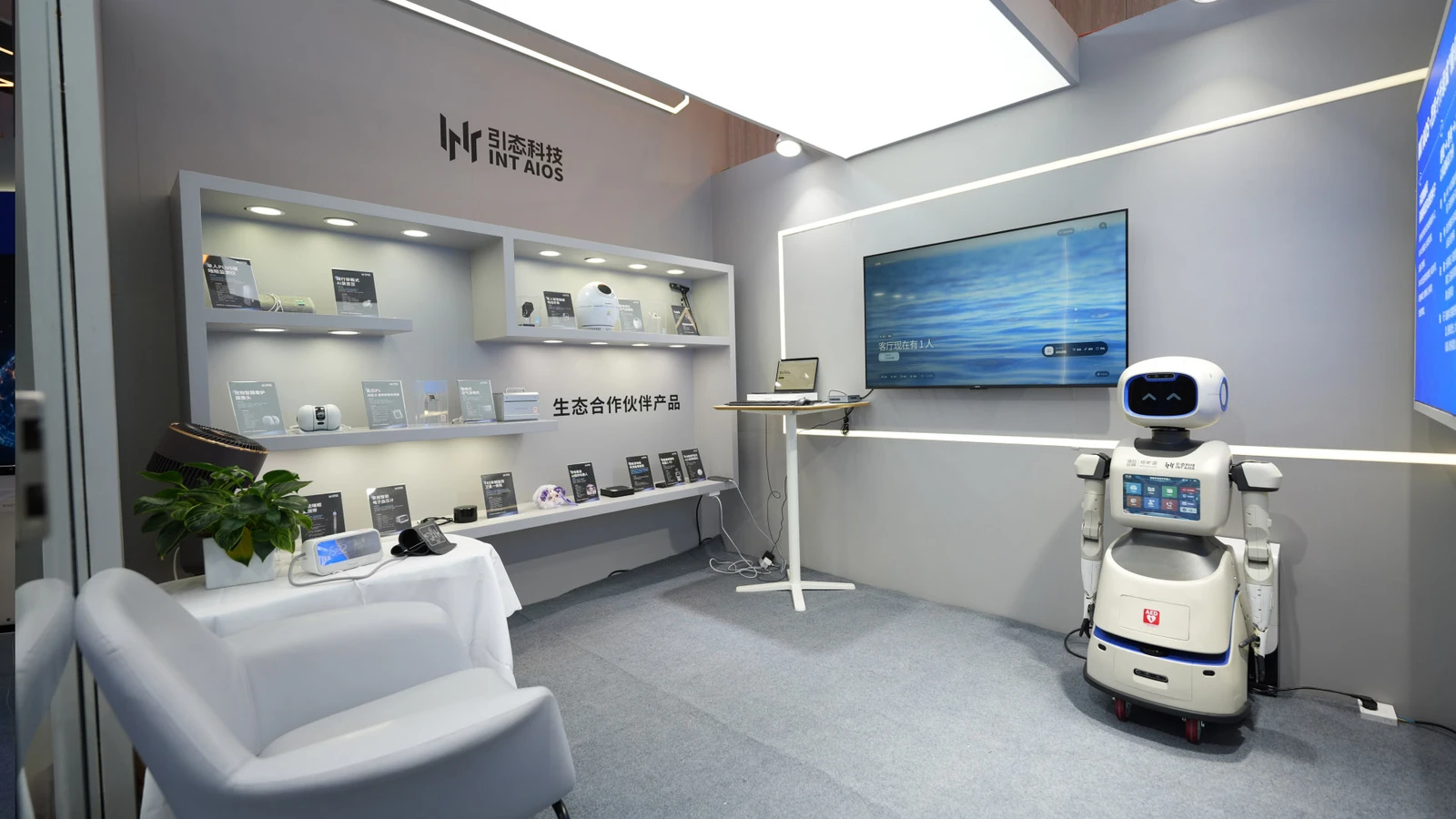
合作前,先明确各方提供什么、负责什么,以及设备和智能体可以执行哪些动作。Before starting, agree on what each participant provides and is responsible for, and which actions devices and agents may perform.
构建智能体、MCP 服务与 Skills,说明能力范围,并带入真实任务验证。Build agents, MCP services and Skills, define their scope and validate them in real tasks.
携带身份信息、当前状态和已有经验参与任务,按分工调用所需能力,并记录执行结果。Take part with identity, current state and experience, call the capabilities needed for an assigned role, and record execution results.
说明设备身份、位置、可用功能和使用条件,让设备在经过验证的范围内执行动作。Specify device identity, location, available functions and conditions of use, so devices act within verified limits.
明确要改善的任务、空间条件、允许的动作,以及判断结果的方式。Define the task to improve, spatial conditions, permitted actions and how to assess outcomes.
围绕具体项目提供渠道、制造、云模型或专业能力,确认各自参与范围。Provide channels, manufacturing, cloud and model resources or specialist capabilities for a specific project, with agreed participation scope.
目前需要检查任务能否可靠完成、失败后能否恢复,以及能否长期使用、在其他空间复用。城市级能力网络仍是长期方向,运营商可以作为渠道和网络基础设施伙伴参与。Current work tests reliable completion, recovery from failure, sustained use and reuse in other spaces. City-scale capability networks remain a long-term direction; telecom operators may contribute channels and network infrastructure.
验证任务能否稳定完成,失败能否定位并恢复到安全状态。Test whether tasks can finish reliably and whether failures can be located and recovered to a safe state.
验证人的纠正是否进入版本评估,以及改进后同类错误是否减少。Test whether human corrections inform version evaluation and whether improvements reduce repeated errors.
验证状态模型、设备适配、权限策略和执行规则能否在第二个真实空间使用。Test whether state models, device adapters, permission policies and execution rules can be used in a second physical space.
说明设备、软件服务或智能体能做什么、如何接入、有哪些使用限制,再选择一项具体任务验证效果。Describe what your device, software service or agent can do, how it connects and its limits of use. Then choose a specific task to test the result.